At the end of our first article on the AI Evals mini series we left a small elephant in the room: fuzzy matching works great…
fullstack thoughts
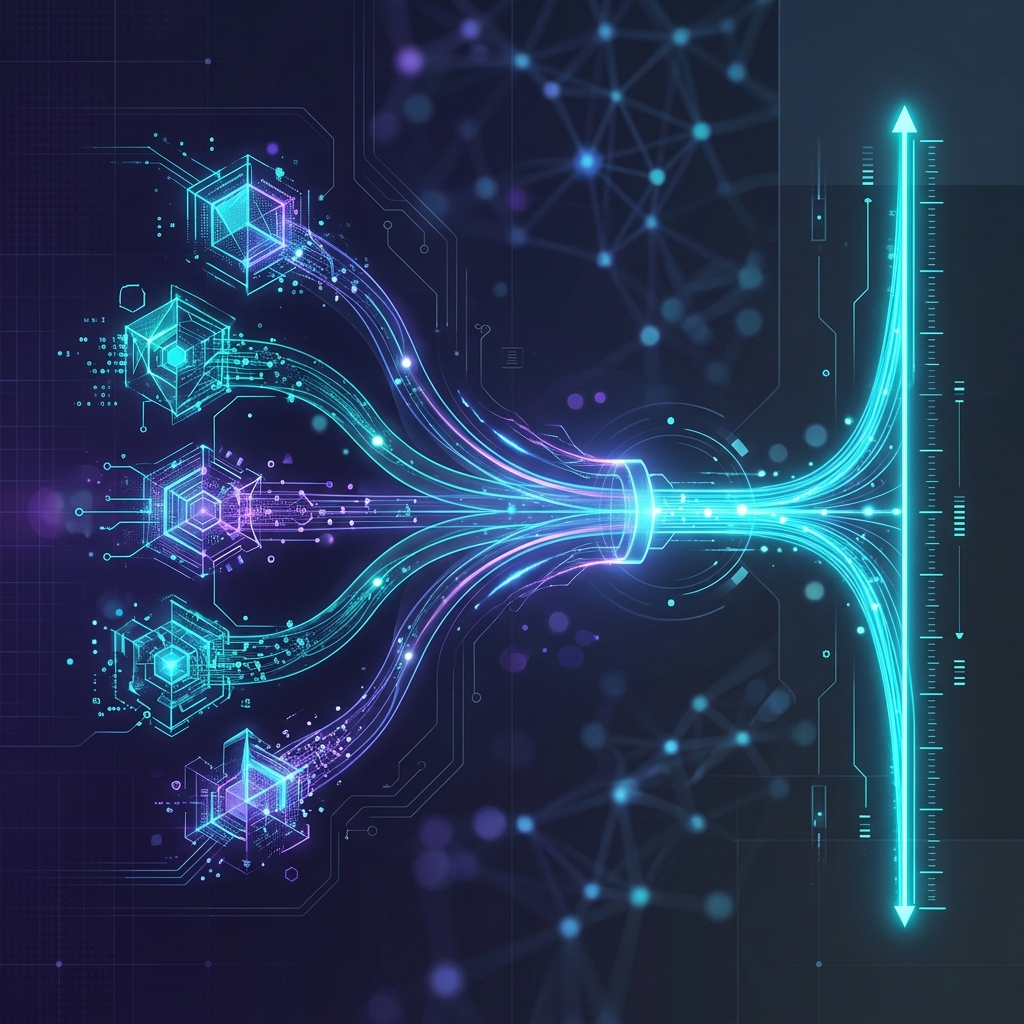
At the end of our first article on the AI Evals mini series we left a small elephant in the room: fuzzy matching works great…
At the end of our One Hot encoding article, we left a small elephant in the room: what happens when your categorical column has 50…
Everybody uses AI for almost everything these days. From helping shaping ideas to the recommendation systems that tells us which movie to watch next, it’s almost omnipresent. But for many of us (myself included), what happens “under the hood” remains a complete mystery, seeming, at times, almost magical.
This post is the first in the AI for Dummies series, where we’ll try to demystify AI, by learning what it is and how it works, starting from simple use cases and concepts and evolving into more complex and real-world scenarios. This post also serves as an introduction to a few key tools, such as Tensorflow and Keras, as well as a brief introduction to important concepts in this domain.
Event-driven systems have well-known advantages and most modern distributed system architectures leverage events to reduce latency, improve scalability, and overall, make everybody’s life a little bit easier.
But what happens when integration with a legacy system (non-event-driven) needs to happen? Are we ready to sacrifice the benefits of event-driven architectures, or will we spend time, effort and money to build and event source based on the legacy system?
Hi and welcome to the 4th article on the MQTT series. Today we’ll see how to deal with fragile connections and how consumers can survive…